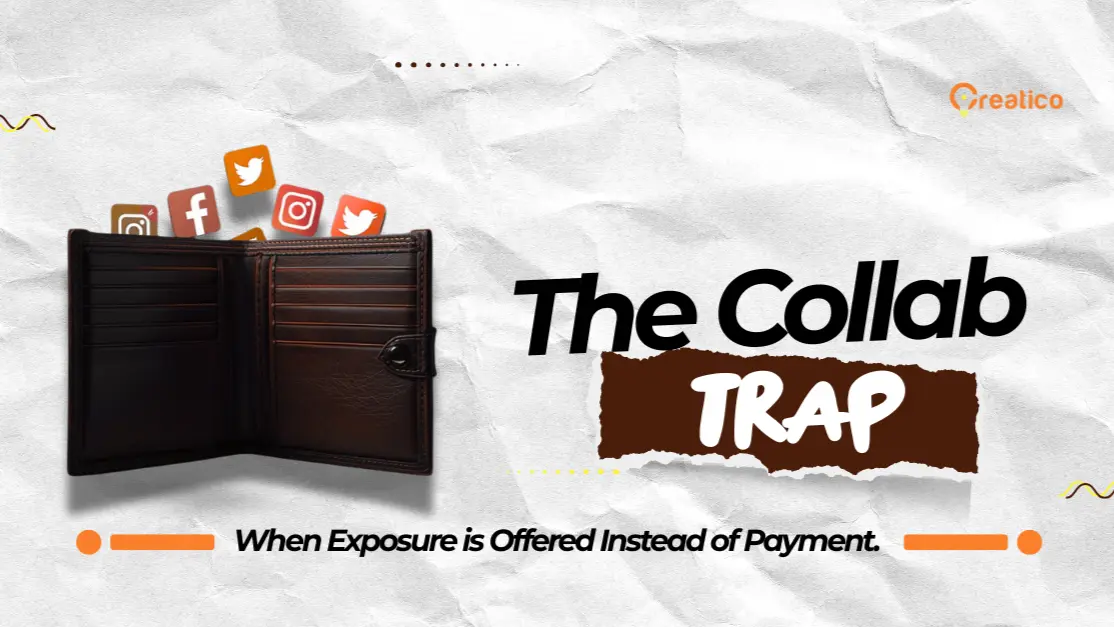
Every creative knows the pitch: “We love your work! Let’s collaborate. We can’t pay you right now, but you’ll get tons of exposure.”
At first, it sounds tempting. Your art featured on a big platform? Your name buzzing around certain circles? Maybe this is the big break you’ve been waiting for. But here’s the harsh truth: exposure is not currency, and in most cases, it’s a scam cloaked in flattery.
Let’s break down the trap, the red flags, and how to navigate these so-called opportunities without selling your soul—or your talent—for free.
The Anatomy of the “Exposure” Offer
The promise of exposure often comes dressed as opportunity. Brands, influencers, or even other creatives reach out with flowery language:
“This will be huge for you.”
Here’s what they really mean: “We value your work, but not enough to compensate you for it.”
When someone says they “can’t afford” to pay you, what they’re actually saying is they can afford their own growth, but they’re unwilling to invest in yours.
Why Creatives Fall Into the Trap
Let’s be real: navigating the creative industry can feel like walking through Lagos traffic blindfolded. You want to get noticed. You want to grow your portfolio. And when you’re just starting out, saying yes to exposure gigs feels like a necessary evil.
But here’s the problem: too many creatives stay stuck in this phase. They keep working for free long after their skills have evolved into something worthy of compensation. And because they’ve set a precedent of working for “visibility,” clients keep coming back with the same offer.
Remember this: If your work adds value to someone else’s brand, they’re benefiting financially—even if you aren’t.
The Hidden Costs of Working for Exposure
Saying yes to “exposure” isn’t just about lost money. It has deeper consequences that can affect your career long-term:
- Undervaluing Your Work: You teach people how to treat you. If you accept free gigs, you reinforce the belief that your work doesn’t require payment.
- Burnout: Creative work takes time, energy, and emotional investment. Doing it for free drains you without replenishing you.
- Opportunity Cost: Every free project you take is time you could have spent on a paid gig—or building something of your own.
- Reputation Damage: If you constantly attach yourself to unpaid work, you risk being seen as “cheap” or desperate, making it harder to transition into premium markets later.
Exposure doesn’t pay the rent. It doesn’t fund your software subscriptions, your materials, or your internet bill. Try walking into a store and telling them you’ll pay in Instagram followers—they’ll laugh you out the door.
When Exposure Might Make Sense
Now, let’s be fair. Not every unpaid collaboration is evil. There are rare cases where exposure can be genuinely beneficial. The key is knowing how to assess the opportunity.
Here are three scenarios where it might be worth it:
- Mutual Growth: You’re collaborating with someone at your same level, and both parties are equally invested in the project. Think of this as creative bartering.
- Portfolio Building: You’re brand new and genuinely need samples to showcase your skills. (But set a clear timeline: this is temporary, not forever.)
- Massive, Guaranteed Reach: If the project comes with verifiable metrics—like a feature in a top-tier publication or a campaign with a global brand—it might be worth it. Key word: verifiable.
Pro Tip: If the exposure is truly valuable, get it in writing. Ask for specifics: audience size, distribution plan, deliverables. If they can’t provide details, it’s probably a scam.
How to Politely Say “No” to Free Work
Rejecting these offers can feel awkward, especially when you don’t want to burn bridges. Here’s a simple framework you can use:
Step 1: Thank Them: Express gratitude for their interest.
“Thank you so much for thinking of me for this project.”
Step 2: State Your Policy: Be clear and professional.
“I typically work on paid projects as this ensures I can dedicate my full creative energy to delivering the best results.”
Step 3: Offer Alternatives: Suggest other ways to collaborate if you genuinely want to maintain a connection.
“If you have a budget in the future, I’d love to revisit this conversation.”
Boom. You’ve protected your boundaries without being rude.
Raising the Standard for Creatives
The culture of underpaying creatives persists because so many of us say yes to it. If we collectively stop accepting “exposure” as payment, the standard will rise. Brands and clients will have no choice but to respect the value we bring.
This isn’t just about money. It’s about dignity, sustainability, and reshaping an industry that too often thrives on exploitation.
Imagine a world where every creative—whether a designer, musician, writer, or filmmaker—was empowered to demand fair compensation. Imagine how much stronger and more innovative our creative industries would be.
Conclusion
Your creativity is your currency. Don’t trade it for empty promises or vague notions of “visibility.” Exposure might sound glamorous, but you can’t build a career on likes and shares.
Say yes to projects that honor your worth. Say no to the collab trap. Because when you know your value, the world has no choice but to pay up.
About the Author
Ally Oceans is an entertainment lawyer, creative advocate, and founder of Creatico, a growth agency dedicated to empowering and protecting creatives. She’s passionate about helping creatives navigate the business side of creativity without losing their spark.